
Blog / Ford Trucks

What's New With the 2025 Ford Super Duty: The Ultimate Work & Play Companion

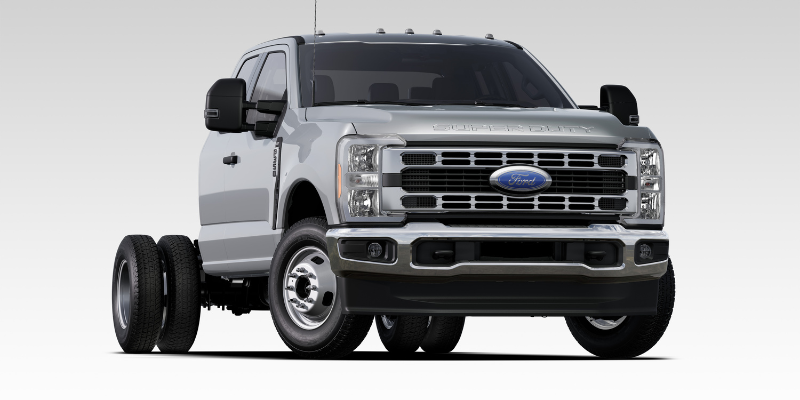
Ready to experience next-level capability? The 2025 Ford Super Duty lineup has arrived at Upper Marlboro Ford with impressive upgrades that set new standards in the heavy-duty truck segment.

Built Ford Tough: Evolution of Excellence

The Ford Super Duty has long been the backbone of America's workforce, and the 2025 model elevates this legacy to unprecedented heights. At Upper Marlboro Ford, we're excited to showcase how this powerhouse combines cutting-edge technology with raw power to deliver a truck that exceeds expectations in every category.

The 2025 Super Duty maintains its iconic bold stance but introduces refined styling elements that enhance both aesthetics and functionality. The distinctive C-clamp lighting signature has been updated, creating an unmistakable presence on the road day or night. With its high-strength, military-grade aluminum alloy body and fully boxed high-strength steel frame, the Super Duty demonstrates that true toughness isn't just about muscle—it's about intelligent engineering.

Unrivaled Power Options

Power is at the heart of every Super Duty, and the 2025 lineup offers an impressive selection of engines to tackle your toughest jobs:

  • 7.3L V8 Gas Engine: Known as "Godzilla," this powerhouse delivers best-in-class gas horsepower and torque for conventional gas engines
  • 6.7L Power Stroke® V8 Turbo Diesel: Offering tremendous pulling power with enhanced fuel efficiency
  • High-Output 6.7L Power Stroke® V8 Turbo Diesel: The ultimate expression of diesel performance, generating massive torque for the most demanding tasks
  • 6.8L V8 Gas Engine: A balanced option providing excellent capability while maximizing value

Each engine works seamlessly with Ford's advanced 10-speed TorqShift® automatic transmission, ensuring optimal performance regardless of conditions. Whether you're towing heavy equipment up steep grades or navigating crowded job sites, the 2025 Super Duty delivers power precisely when and where you need it.

Class-Leading Towing and Payload Capacity

When it comes to capability, the 2025 Ford Super Duty continues to push boundaries with:

  • Maximum conventional towing capacity that leads the heavy-duty segment
  • Best-in-class available payload capacity that handles your heaviest loads with confidence
  • Available 5th-wheel/gooseneck towing capacity that exceeds competitors
  • Ford's exclusive Pro Trailer Hitch Assist that makes connecting to trailers simpler than ever

The available Onboard Scales with Smart Hitch technology helps you distribute weight properly, while the Trailer Navigation system plans routes specifically optimized for your trailer's dimensions. These intelligent features transform challenging towing scenarios into straightforward tasks.

Technology That Works as Hard as You Do

The 2025 Super Duty integrates Ford's latest technological innovations to enhance productivity and convenience:

Pro Power Onboard™

Transform your truck into a mobile generator with this available feature, delivering up to 2.0 kW of exportable power through in-bed outlets. Power tools, camping equipment, or tailgate essentials without carrying separate generators.

SYNC® 4 with 12-inch Touchscreen

The available 12-inch touchscreen provides intuitive access to vehicle features, navigation, and entertainment options. Wireless Apple CarPlay® and Android Auto™ compatibility keeps you connected while physical controls for key functions ensure usability even with gloves on.

Ford Pro Upfits

The 2025 Super Duty was designed with upfitting in mind. Pre-installed auxiliary switches, upfitter interface modules, and clean frame rails make customizing your truck for specific work requirements simpler and more cost-effective.

Advanced Driver Assistance Features

Safety remains paramount in the 2025 Super Duty, with an impressive suite of standard and available driver-assist technologies:

  • Trailer Blind Spot Information System: Extends blind spot coverage to include your trailer
  • Pro Trailer Backup Assist: Makes reversing with a trailer intuitive for drivers of all experience levels
  • 360-Degree Camera System: Provides a comprehensive view around your truck for navigating tight spaces
  • Adaptive Cruise Control: Maintains your preferred distance from vehicles ahead, even when towing
  • Lane-Keeping Alert: Helps you stay centered in your lane on long drives

Unmatched Interior Comfort and Functionality

The 2025 Super Duty proves that capability doesn't require sacrificing comfort. The interior combines durable materials with thoughtful amenities:

  • Available Max Recline Seats fold nearly flat for comfortable rest during long workdays
  • Lockable under-seat storage provides secure space for valuable tools and equipment
  • Enhanced sound insulation creates a quieter cabin environment
  • Available leather seating surfaces balance luxury with work-ready durability
  • Customizable 12-inch digital productivity screen delivers personalized information at a glance

Find Your Perfect 2025 Super Duty at Upper Marlboro Ford

Whether you need an F-250, F-350, or F-450, the 2025 Ford Super Duty lineup offers the right combination of features to meet your specific needs. Visit Upper Marlboro Ford today to explore our extensive inventory and experience firsthand how the latest Super Duty models can transform your work and recreational capabilities.

Our knowledgeable sales team understands the unique requirements of Super Duty customers and can help you configure the perfect truck for your applications. Plus, our factory-trained service technicians ensure your investment remains protected for years to come.

Contact us, Don't settle for less when you can drive the best. The 2025 Ford Super Duty at Upper Marlboro Ford—where capability meets innovation.Schedule your test drive today by calling (888) 793-0320 or visiting our showroom at 5700 Crain Highway, Upper Marlboro, MD.

Posted in:

Related Posts

Silver Ford F-350 Super Duty (1)

Commercial vs. Non-Commercial Vehicle: Which Ford Work Truck Does Your Maryland Business Actually Need?

New Work Trucks Used Commercial Vehicles Contact Us Picking the wrong work truck costs Maryland small business owners more than they think. Not just at the register, but in taxes, downtime, and jobs they can't take on. The F-150, F-250, and Transit each sit in a different tax and regulatory tier depending on configuration. The F-250's available 10,000 lb. GVWR configuration is the sweet spot: full Section 179 eligibility, heavy-duty capability, and no FMCSA commercial vehicle requirements. The difference between these two categories can mean thousands of dollars in tax savings, or thousands in unnecessary costs if you choose wrong. At Upper Marlboro Ford, we've helped contractors, tradespeople, and small business owners across Prince George's County, Waldorf, Annapolis, and beyond find the right fit for their operation. Commercial vs. non-commercial vehicle classification for Maryland work trucks comes down to GVWR. Vehicles over 10,000 lbs. GVWR trigger FMCSA rules; vehicles over 6,000 lbs. may qualify for the full Section 179 tax deduction. The Ford F-250 Super Duty's available 10,000 lb. configuration threads both needles. Key Points: Commercial vs. Non-Commercial Vehicle GVWR determines classification. Work-use vehicles over 6,000lbs GVWR (Gross Vehicle Weight Rating) become eligible for Section 179 deduction. Some lighter vehicles may qualify, with limits. The F-250 Super Duty and Ford Transit are built for different jobs. Towing heavy loads and hauling enclosed cargo are not the same need. The F-250 maximizes both its weight class and your benefits. While the F-150, F-250, and Transit are all useful for work, the F-250 sits just under the threshold for stricter regulations while being a powerful work truck. What Makes a Vehicle "Commercial" in the First Place? In practical terms, a standard F-150 typically falls below the commercial threshold in most configurations, the F-250 Super Duty tends to be exactly at the threshold, and the Transit can land on either side depending on how it is spec'd. The word 'commercial' gets used loosely, but the federal government is precise about it. The Federal Motor Carrier Safety Administration defines a commercial motor vehicle as one used for business with a GVWR of 10,001 pounds or more. Cross that threshold in your operations, and your vehicle is subject to stricter insurance minimums, DOT compliance reviews, and potential CDL requirements if your total weight crosses 26,000 pounds. Keep in mind: regulatory oversight is triggered strictly by the vehicle's weight and business usage. For a plumber in Clinton or a landscaper running jobs between Bowie and Prince Frederick, understanding this line is the first step toward building a fleet that works legally and financially. How the IRS Sees It: Section 179 Deductions for Work Vehicles When it comes to Section 179, things are a bit different. IRS tax rules treat heavy vehicles between 6,001 and 14,000 lbs. generously, but they cap standard SUVs at $32,000 for 2026. However, your business can unlock the full, uncapped Section 179 deduction if the vehicle is built strictly for work. That includes cargo vans with no rear seats (like many Transits) and trucks with a bed at least 6 feet in interior length Heavy work trucks, cargo vans, and vehicles with cargo beds over six feet long may qualify for the full Section 179 deduction without the SUV cap limitation. For 2026, the maximum Section 179 deduction is $2,560,000, with a phase-out beginning above $4,090,000 in total qualifying purchases. Vehicles must be placed in service before December 31 and used for more than 50% of business activity to qualify. Bonus depreciation of up to 100% may also be available for qualifying property acquired after January 19, 2025, under IRS Notice 2026-11. This can be stacked on top of Section 179 to maximize first-year write-offs. Always consult a qualified tax advisor before making purchasing decisions based on deduction eligibility, as individual circumstances, business income, and applicable rates vary. F-250 Super Duty vs. Ford Transit: Picking the Right Tool Two vehicles dominate the conversation for Maryland contractors, and they serve very different masters. Here's how they compare side by side. Ford F-250 Super Duty Ford Transit Cargo Van Best For Towing, hauling, job site access Enclosed cargo, deliveries, mobile services Est. Max Towing Up to 23,000 lbs. (when properly equipped) Up to 6,900 lbs. (when properly equipped) Est. Max Payload Up to 4,246 lbs. (est., varies by config.) Up to 5,110 lbs. (est., varies by config.) GVWR 10,000–11,400 lbs. 8,670–11,000 lbs. Cargo Volume Open bed Up to 536.4 cu. ft. Full Section 179 Qualifies (most configs.) Qualifies (most configs.) Who Needs It? General contractor, landscaper, equipment hauler Electrician, HVAC tech, delivery, mobile service The F-250 Super Duty is the right call when your work demands raw towing and hauling muscle. The 2025 F-250 is designed to tow up to 23,000 pounds and haul up to 4,246 pounds of payload when properly equipped, with power from four available V8 engine options. One critical point about the F-250 is that it can be configured to land exactly at 10,000 lbs., meaning you get full Section 179 benefits and maximize the truck’s output without triggering FMCSA regulations for a 10,001 lb. commercial vehicle. The Transit, on the other hand, is purpose-built for businesses that live out of their van. The 2025 Ford Transit Cargo Van offers cargo volume ranging from 280.9 cubic feet to 536.4 cubic feet depending on body style and roof height, making it a rolling workshop for tradespeople running routes across Southern Maryland. When Does an F-150 Make Sense for a Business? Not every Maryland business owner needs to step up to a Super Duty. The 2025 F-150 can tow up to 13,500 lbs. and carry an estimated maximum payload of 2,440 lbs. when properly configured, making it a capable choice for lighter commercial work. It sits below the FMCSA's commercial motor vehicle threshold in most configurations, which means no CDL requirements and simpler insurance. The F-150 can still qualify for a full Section 179 deduction in configurations that feature a GVWR over 6,000 lbs. and a standard bed length of 6.5 or 8 feet. That makes it a tax-efficient choice for sole proprietors, real estate professionals, or light-duty service businesses operating around Bowie, Annapolis, or Upper Marlboro. Overall, the F-150 is best suited for daily driving with added utility, while the F-250 Super Duty is built for professional contractors who regularly haul massive loads or tow large trailers. Five Questions to Ask Before You Buy Before you choose between the F-150, F-250, or Transit, answer these five questions. What is my typical load? Towing equipment trailers points to the F-250. Carrying tools and parts points to the Transit. Do I need enclosed cargo space? If yes, a pickup bed won't cut it. The Transit wins here. Am I crossing state lines regularly? Interstate commercial operation above the GVWR threshold triggers FMCSA rules, including logbooks and inspections. Do I want to maximize my Section 179 deduction before December 31? If yes, confirm your vehicle's GVWR and business-use percentage before you sign. Will I need to upfit this vehicle? Racks, shelving, and service bodies are easier to build into a Transit or a chassis cab from the start than to retrofit later. A Final Word on Choosing the Right Ford Work Truck Now that you know the difference between a commercial and non-commercial vehicle, the next step is matching that knowledge to the specific demands of your business before the end of the tax year. One thing worth emphasizing: the right truck is not always the biggest one. Total cost of ownership matters far more than the sticker price. Fuel costs, insurance premiums, maintenance intervals, and available service when something goes wrong all add up over five years. Ford Pro's nationwide service network is a real business continuity advantage, not just a selling point. For Maryland contractors who can't afford a truck sitting in a shop, knowing that a dealer's service team has your back is worth factoring into the decision. At Upper Marlboro Ford, our commercial vehicle team works with small business owners from Upper Marlboro, Waldorf, Annapolis, Clinton, Bowie, and Prince Frederick every day. We carry a full lineup of F-150, F-250 Super Duty, and Ford Transit Cargo Van configurations, and we can walk you through upfit options and business financing to get your fleet working for you. Come see us at 5701 Crain Hwy, Upper Marlboro, MD 20772, or visit us online at uppermarlboroford.com to explore our commercial vehicle inventory and connect with our team.

Ford Maverick vs. The Competition: Why the Smart Choice is Clear

When it comes to compact trucks, the market has never been more exciting – or more competitive. Today's buyers have several compelling options, from the innovative Ford Maverick to established players like the Toyota Tacoma, the crossover-inspired Hyundai Santa Cruz, and the capable Chevrolet Colorado. But which one truly delivers the best value, capability, and ownership experience? After analyzing every angle, we believe the Ford Maverick stands out as the clear winner. Let's explore why. The Compact Truck Revolution The compact truck segment has experienced a renaissance in recent years, driven by consumers who want truck capability without the bulk and expense of full-size pickups. These vehicles offer the perfect balance for urban professionals, weekend adventurers, and anyone who needs versatility without compromise. The key players in today's compact truck market include: Ford Maverick - The game-changing unibody compact truck Hyundai Santa Cruz - The crossover-truck hybrid Toyota Tacoma - The off-road focused traditional pickup Chevrolet Colorado - The midsize workhorse Each brings unique strengths to the table, but as we'll demonstrate, the Maverick consistently delivers superior value and innovation. Ford Maverick: The Smart Choice What Makes the Maverick Special The 2025 Ford Maverick continues to impress with its standard hybrid powertrain, starting price around $23,920, and impressive capability including up to 4,000 lbs of towing capacity. But the Maverick's appeal goes far beyond just numbers. Key Maverick Advantages: Standard Hybrid Powertrain: The hybrid system delivers 191 hp and 155 lb-ft of torque, with available all-wheel drive for 2025 Unmatched Fuel Economy: Best-in-class efficiency that saves you money every day FlexBed System: Innovative bed design with configurable storage solutions Compact Footprint: Easy to park and maneuver in urban environments Advanced Technology: Updated with a larger 13.2-inch touchscreen for 2025 Performance Options: New Maverick Lobo boasts a 2.0L EcoBoost engine with performance-tuned suspension Head-to-Head Comparisons Ford Maverick vs. Hyundai Santa Cruz Feature Ford Maverick Hyundai Santa Cruz Toyota Tacoma Chevrolet Colorado Standard Engine 2.5L Hybrid (191 hp) 2.5L 4-cyl (191 hp) 2.4L Turbo 4-cyl Midsize Fuel Economy Up to 42 mpg city Up to 22 mpg city ~20-23 mpg 2.7L Turbo 4-cyl Towing Capacity Up to 4,000 lbs Up to 5,000 lbs Multiple lengths available ~20 mpg city Bed Length 4.5 feet 4.3 feet Extensive 4WD systems Up to 7,700 lbs Payload Up to 1,500 lbs Up to 1,609 lbs Challenging Good Ford Maverick vs. Hyundai Santa Cruz Verdict: While the Santa Cruz offers slightly higher towing capacity, the Maverick's superior fuel economy and lower starting price make it the smarter financial choice for most buyers. Ford Maverick vs. Toyota Tacoma Verdict: The Tacoma excels in serious off-road situations, but the Maverick offers better daily usability, fuel economy, and value for the majority of truck buyers. Ford Maverick vs. Chevrolet Colorado Verdict: The Colorado offers more traditional truck capability but at a significantly higher price point and with much lower fuel efficiency. Why the Ford Maverick Wins 1. Unbeatable Value Proposition The Maverick's starting price advantage isn't just about the initial purchase – it's about total cost of ownership. With exceptional fuel economy and Ford's reliable service network, the Maverick saves you money throughout your ownership experience. 2. Revolutionary FlexBed System No competitor offers anything like the Maverick's FlexBed system, which transforms the truck bed into a versatile cargo management solution. From dividers to slots for 2x4s, the FlexBed adapts to your needs like no other truck bed can. 3. Perfect Size for Modern Life While competitors focus on maximum capability, the Maverick recognizes that most truck owners need versatility, not maximum payload. The Maverick's compact dimensions make it perfect for daily driving while still providing genuine truck utility. 4. Hybrid Leadership The Maverick has won Kelley Blue Book's Best Buy Award three years in a row, largely thanks to its innovative hybrid powertrain that no competitor can match for efficiency. 5. Future-Forward Design The Maverick isn't just competing with today's trucks – it's designed for tomorrow's needs. Its unibody construction, hybrid efficiency, and urban-friendly design make it the most forward-thinking truck in the segment. Real-World Considerations Daily Driving Excellence Most truck owners spend 90% of their time in urban and suburban environments. The Maverick excels here with: Easy parking in tight spaces Smooth, car-like ride quality Excellent visibility Quiet cabin at highway speeds Responsive handling Weekend Adventure Ready Despite its urban friendliness, the Maverick doesn't compromise on capability: Available intelligent AWD system Ground clearance for light off-roading Sufficient towing for boats, trailers, and recreational equipment Durable construction for outdoor adventures Long-Term Ownership Benefits Ford's extensive dealer network means service and support wherever you go. Additionally: Strong resale values Available extended warranties Comprehensive roadside assistance Easy parts availability Technology and Features Comparison Ford Maverick Technology Highlights 13.2-inch touchscreen infotainment system Available SYNC 4 connectivity Wireless smartphone integration Available Co-Pilot360 safety suite Over-the-air update capability Competitor Technology While all competitors offer modern technology, the Maverick's user-friendly interface and seamless smartphone integration consistently earn top marks from reviewers and owners alike. Ford Maverick FAQs Is the Ford Maverick a "real" truck? Absolutely! While the Maverick uses unibody construction instead of traditional body-on-frame design, it offers genuine truck capability with up to 4,000 lbs towing capacity and 1,500 lbs payload. The unibody design actually provides better ride quality and fuel economy for most users. How does the Maverick's fuel economy compare to competitors? The Maverick's standard hybrid powertrain achieves up to 42 mpg in city driving – nearly double what competitors offer. This translates to significant savings at the gas pump. Can the Maverick handle off-road driving? Yes, especially with available all-wheel drive. While it may not match the Tacoma's extreme off-road capability, the Maverick handles camping trips, beach access, and light trail driving with confidence. What about long-term reliability? Ford has an extensive track record with hybrid technology, and the Maverick benefits from proven components used across Ford's lineup. The comprehensive warranty and nationwide service network provide additional peace of mind. Is the truck bed too small? The 4.5-foot FlexBed offers surprising versatility. While shorter than some competitors, the innovative design with configurable storage solutions often proves more practical than longer, less flexible beds. How does the Maverick perform in winter conditions? Available intelligent all-wheel drive provides excellent traction in snow and ice. The Maverick's balanced weight distribution and electronic stability systems make it very capable in winter weather. What trim levels are available? For 2025, Ford offers multiple Maverick trims including the new performance-focused Lobo version, allowing buyers to choose the perfect balance of features and capability. Can I get a Maverick with more power? Yes! The Lobo trim comes with a 250-hp turbocharged four-cylinder engine with all-wheel drive and a seven-speed automatic transmission for those wanting more performance. How does the warranty compare? Ford offers competitive warranty coverage, and with more dealers nationwide than any competitor, service access is exceptional. Is the Maverick good for towing? The 2.5-liter hybrid engine can handle up to 4,000 pounds of towing capacity when properly equipped with the 4K Tow Package, making it suitable for most recreational towing needs. Ready to Experience the Maverick Difference? The numbers speak for themselves, but nothing replaces a personal test drive. At Upper Marlboro Ford, we invite you to experience why the Ford Maverick continues to win awards and customer loyalty. Contact or Visit Upper Marlboro Ford today to: Test drive the complete Maverick lineup Explore financing and lease options Discover available incentives Experience our award-winning customer service The compact truck market offers excellent choices, but only one delivers the perfect combination of value, efficiency, capability, and innovation. The Ford Maverick isn't just the smart choice – it's the clear choice for today's truck buyers. Schedule your test drive today and discover why the Maverick is revolutionizing the truck market, one satisfied customer at a time.

Regular truck vs commercial truck

What is the Difference Between a Commercial and a Regular Truck?

Trucks are immensely popular in Upper Marlboro and the surrounding areas, serving a variety of needs from personal transportation to heavy-duty commercial tasks. Whether you're a business owner needing a reliable workhorse or an individual seeking a versatile vehicle, understanding the difference between commercial and regular trucks is essential. more Ford has a long-standing legacy of producing top-quality trucks that cater to both personal and business needs, making them a go-to choice for many. What is the difference between a commercial and a regular truck? Commercial trucks are designed for business use, with larger sizes, higher weights, and stricter regulatory compliance, including specific driver qualifications and safety standards. Regular trucks are typically for personal use, with fewer regulations and lighter weight limits. Understanding these differences is key to choosing the right vehicle for your needs, ensuring you meet legal requirements and have the appropriate capacity for your intended use. Selecting the correct type can impact performance, safety, and cost-effectiveness. Knowing these distinctions helps you make informed decisions, aligning your vehicle choice with your requirements and legal standards. Whether you need a robust vehicle for your business or a versatile truck for personal use, Ford trucks offer something for everyone. Their reputation for durability, performance, and safety makes them a preferred choice among truck enthusiasts and professionals alike. 1. Intended Use: Commercial vs. Regular Trucks Understanding the intended use of trucks is crucial for businesses and individuals in Upper Marlboro, MD, and surrounding areas. While commercial trucks are tailored for business purposes, regular trucks often serve personal or recreational needs. Commercial Trucks: Designed for transporting goods or passengers for profit. Often used by businesses for delivery, construction, or logistical operations. Frequently customized to meet specific business needs, such as refrigeration units or cargo lifts. Regular Trucks: Typically used for personal or recreational purposes. Ideal for family road trips, towing boats, or carrying camping gear. Generally not customized beyond personal preferences and convenience features. Commercial trucks in Upper Marlboro are essential for local businesses, enabling efficient transportation and delivery services. Regular trucks, on the other hand, provide flexibility and convenience for personal use, catering to the diverse needs of residents. Whether for business or leisure, understanding these distinctions helps in making informed purchasing decisions. Ford's commercial and regular trucks offer a range of features to meet these varied needs. 2. Size and Weight: Understanding the Differences In the bustling regions around Annapolis and Waldorf, truck size and weight play significant roles in determining their suitability for various tasks. Commercial trucks are often larger and heavier, built to handle substantial loads and rigorous demands. Commercial Trucks: Larger and heavier than regular trucks. Built with higher gross vehicle weight ratings (GVWR) to handle heavier loads. Often exceed 10,001 pounds, including small package delivery vehicles and pick-up trucks with trailers. Regular Trucks: Smaller and lighter, designed for everyday use. Lower GVWR compared to commercial trucks. Typically used for personal transport and light-duty tasks. Commercial trucks are vital for businesses in Upper Marlboro, ensuring efficient and reliable transportation of goods. Regular trucks, with their smaller size and weight, are perfect for daily commutes and personal use, offering versatility and ease of handling. Recognizing these differences helps buyers choose the right truck for their specific needs, ensuring optimal performance and efficiency. Ford's lineup, including the versatile F-Series, provides options to match both commercial and personal use. 3. Regulatory Compliance for Commercial Trucks In the bustling areas around Upper Marlboro, regulatory compliance is a crucial factor differentiating commercial trucks from regular trucks. Commercial trucks are subject to stricter regulations to ensure safety and efficiency in business operations. Commercial Trucks: Must adhere to federal and state regulations. Drivers need commercial driver's licenses (CDLs). Subject to regular vehicle inspections and maintenance standards. Must comply with hours of service (HOS) regulations to prevent driver fatigue. Examples: Ford F-450, Ford F-550 Regular Trucks: Fewer regulatory requirements compared to commercial trucks. No special license is needed for driving. Standard vehicle inspections based on local DMV requirements. No specific HOS regulations for personal use. Examples: Ford F- 1 50, Ford Ranger Commercial trucks are essential for businesses, requiring stringent regulatory compliance to ensure safety and efficiency. Regular trucks, used for personal purposes, face fewer regulatory burdens, offering more flexibility for individual owners. Ford's commercial trucks are designed to meet all regulatory standards, providing reliability and compliance for business operations. 4. Definition of a Commercial Vehicle Understanding what constitutes a commercial vehicle is vital for businesses in areas like Annapolis and Waldorf. The Federal Motor Carrier Safety Regulations (FMCSRs) provide specific definitions to distinguish commercial vehicles from regular ones. Commercial Vehicles: Vehicles used in interstate commerce to transport passengers or goods. Gross vehicle weight rating (GVWR) of 10,001 pounds or more. Includes vehicles like small package delivery trucks, box trucks, and pick-up trucks with trailers. May include vehicles with GVWR of 26,001 pounds or more, including a towed unit. Examples: Ford Transit, Ford F-750 Regular Vehicles: Primarily used for personal or recreational purposes. Typically have a GVWR below 10,001 pounds. Not used for commercial purposes or profit. Examples: Ford F-150, Ford Maverick Knowing the definition of a commercial vehicle helps businesses comply with regulations and select the right truck for their needs. Regular vehicles, on the other hand, are designed for personal use, offering more flexibility and fewer restrictions. Ford’s range of commercial vehicles meets all regulatory definitions, providing robust solutions for business transportation needs. A Final Word on the Difference Between a Commercial and a Regular Truck Understanding the difference between a commercial and a regular truck is essential for choosing the right vehicle. Commercial trucks, designed for business use, are larger, heavier, and subject to strict regulatory compliance. Regular trucks, typically for personal use, have fewer regulations and lighter weight limits. Both types have unique advantages, depending on your needs. At Upper Marlboro Ford, we offer a wide selection of both Ford commercial and Ford regular trucks to meet diverse requirements. Our knowledgeable staff can help you navigate these options to find the perfect fit for your needs. Visit Upper Marlboro Ford for a test drive and explore our extensive inventory of Ford trucks. Whether you're looking for a commercial vehicle like the Ford F-450 or a regular truck like the Ford F-150, we have something for everyone. Call us at 240-759-3222 or visit us at 5701 Crain Hwy, Upper Marlboro, MD 20772 to learn more and schedule your visit today.