

Trucks are immensely popular in Upper Marlboro and the surrounding areas, serving a variety of needs from personal transportation to heavy-duty commercial tasks. Whether you’re a business owner needing a reliable workhorse or an individual seeking a versatile vehicle, understanding the difference between commercial and regular trucks is essential.
Ford has a long-standing legacy of producing top-quality trucks that cater to both personal and business needs, making them a go-to choice for many.
What is the difference between a commercial and a regular truck? Commercial trucks are designed for business use, with larger sizes, higher weights, and stricter regulatory compliance, including specific driver qualifications and safety standards. Regular trucks are typically for personal use, with fewer regulations and lighter weight limits.
Understanding these differences is key to choosing the right vehicle for your needs, ensuring you meet legal requirements and have the appropriate capacity for your intended use. Selecting the correct type can impact performance, safety, and cost-effectiveness.
Knowing these distinctions helps you make informed decisions, aligning your vehicle choice with your requirements and legal standards. Whether you need a robust vehicle for your business or a versatile truck for personal use, Ford trucks offer something for everyone. Their reputation for durability, performance, and safety makes them a preferred choice among truck enthusiasts and professionals alike.
1. Intended Use: Commercial vs. Regular Trucks
Understanding the intended use of trucks is crucial for businesses and individuals in Upper Marlboro, MD, and surrounding areas. While commercial trucks are tailored for business purposes, regular trucks often serve personal or recreational needs.
Commercial Trucks:
- Designed for transporting goods or passengers for profit.
- Often used by businesses for delivery, construction, or logistical operations.
- Frequently customized to meet specific business needs, such as refrigeration units or cargo lifts.
Regular Trucks:
- Typically used for personal or recreational purposes.
- Ideal for family road trips, towing boats, or carrying camping gear.
- Generally not customized beyond personal preferences and convenience features.
Commercial trucks in Upper Marlboro are essential for local businesses, enabling efficient transportation and delivery services. Regular trucks, on the other hand, provide flexibility and convenience for personal use, catering to the diverse needs of residents. Whether for business or leisure, understanding these distinctions helps in making informed purchasing decisions. Ford’s commercial and regular trucks offer a range of features to meet these varied needs.
2. Size and Weight: Understanding the Differences
In the bustling regions around Annapolis and Waldorf, truck size and weight play significant roles in determining their suitability for various tasks. Commercial trucks are often larger and heavier, built to handle substantial loads and rigorous demands.
Commercial Trucks:
- Larger and heavier than regular trucks.
- Built with higher gross vehicle weight ratings (GVWR) to handle heavier loads.
- Often exceed 10,001 pounds, including small package delivery vehicles and pick-up trucks with trailers.
Regular Trucks:
- Smaller and lighter, designed for everyday use.
- Lower GVWR compared to commercial trucks.
- Typically used for personal transport and light-duty tasks.
Commercial trucks are vital for businesses in Upper Marlboro, ensuring efficient and reliable transportation of goods. Regular trucks, with their smaller size and weight, are perfect for daily commutes and personal use, offering versatility and ease of handling. Recognizing these differences helps buyers choose the right truck for their specific needs, ensuring optimal performance and efficiency. Ford’s lineup, including the versatile F-Series, provides options to match both commercial and personal use.
3. Regulatory Compliance for Commercial Trucks
In the bustling areas around Upper Marlboro, regulatory compliance is a crucial factor differentiating commercial trucks from regular trucks. Commercial trucks are subject to stricter regulations to ensure safety and efficiency in business operations.
Commercial Trucks:
- Must adhere to federal and state regulations.
- Drivers need commercial driver’s licenses (CDLs).
- Subject to regular vehicle inspections and maintenance standards.
- Must comply with hours of service (HOS) regulations to prevent driver fatigue.
- Examples: Ford F-450, Ford F-550
Regular Trucks:
- Fewer regulatory requirements compared to commercial trucks.
- No special license is needed for driving.
- Standard vehicle inspections based on local DMV requirements.
- No specific HOS regulations for personal use.
- Examples: Ford F-150, Ford Ranger
Commercial trucks are essential for businesses, requiring stringent regulatory compliance to ensure safety and efficiency. Regular trucks, used for personal purposes, face fewer regulatory burdens, offering more flexibility for individual owners. Ford’s commercial trucks are designed to meet all regulatory standards, providing reliability and compliance for business operations.
4. Definition of a Commercial Vehicle
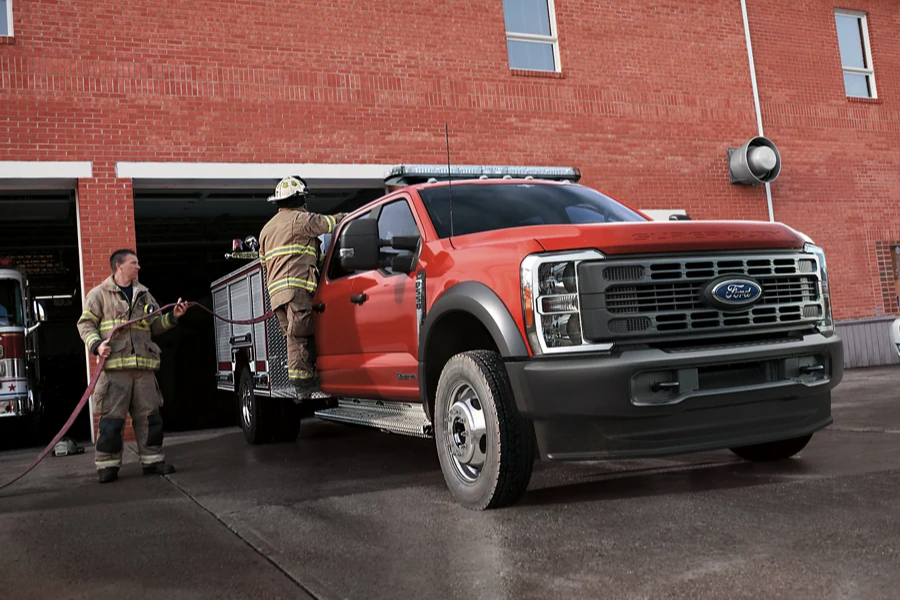
Understanding what constitutes a commercial vehicle is vital for businesses in areas like Annapolis and Waldorf. The Federal Motor Carrier Safety Regulations (FMCSRs) provide specific definitions to distinguish commercial vehicles from regular ones.
Commercial Vehicles:
- Vehicles used in interstate commerce to transport passengers or goods.
- Gross vehicle weight rating (GVWR) of 10,001 pounds or more.
- Includes vehicles like small package delivery trucks, box trucks, and pick-up trucks with trailers.
- May include vehicles with GVWR of 26,001 pounds or more, including a towed unit.
- Examples: Ford Transit, Ford F-750
Regular Vehicles:
- Primarily used for personal or recreational purposes.
- Typically have a GVWR below 10,001 pounds.
- Not used for commercial purposes or profit.
- Examples: Ford F-150, Ford Maverick
Knowing the definition of a commercial vehicle helps businesses comply with regulations and select the right truck for their needs. Regular vehicles, on the other hand, are designed for personal use, offering more flexibility and fewer restrictions. Ford’s range of commercial vehicles meets all regulatory definitions, providing robust solutions for business transportation needs.
A Final Word on the Difference Between a Commercial and a Regular Truck
Understanding the difference between a commercial and a regular truck is essential for choosing the right vehicle. Commercial trucks, designed for business use, are larger, heavier, and subject to strict regulatory compliance. Regular trucks, typically for personal use, have fewer regulations and lighter weight limits. Both types have unique advantages, depending on your needs.
At Upper Marlboro Ford, we offer a wide selection of both Ford commercial and Ford regular trucks to meet diverse requirements. Our knowledgeable staff can help you navigate these options to find the perfect fit for your needs.
Visit Upper Marlboro Ford for a test drive and explore our extensive inventory of Ford trucks. Whether you’re looking for a commercial vehicle like the Ford F-450 or a regular truck like the Ford F-150, we have something for everyone. Call us at 240-759-3222 or visit us at 5701 Crain Hwy, Upper Marlboro, MD 20772 to learn more and schedule your visit today.
Connect with us

Recent Blog Entries
- The Best 3 SUVs for Upper Marlboro Drivers
- 2026 Ford F-150 Trim Levels Explained: Which One Fits Your Life in Upper Marlboro?
- 2026 Ford SUV Lineup: A Side-by-Side Size & Cargo Comparison
- 2026 Ford Explorer Trim Levels: A Comprehensive Guide for Upper Marlboro Drivers
- Everything to Know About the 2026 Ford F-150